

-
Faculty of Arts and HumanitiesJakobi 2, r 116-121, 51005 Tartu linn, Tartu linn, TartumaaJakobi 2, 51005 Tartu linn, Tartu linn, TartumaaJakobi 2, IV korrus, 51005 Tartu linn, Tartu linn, TartumaaJakobi 2, III korrus, ruumid 302-337, 51005 Tartu linn, Tartu linn, TartumaaÜlikooli 16, 51003 Tartu linn, Tartu linn, TartumaaÜlikooli 18, 50090 Tartu linn, Tartu linn, TartumaaLossi 3, 51003 Tartu linn, Tartu linn, TartumaaPosti 1, 71004 Viljandi linn, ViljandimaaJakobi 2, 51005 Tartu linn, Tartu linn, TartumaaJakobi 2, 51005 Tartu linn, Tartu linn, TartumaaFaculty of Social SciencesLossi 36, 51003 Tartu linn, Tartu linn, TartumaaJakobi 5, 51005 Tartu linn, Tartu linn, TartumaaLossi 36, ruum 301, 51003 Tartu linn, Tartu linn, TartumaaNarva mnt 18, 51009 Tartu linn, Tartu linn, TartumaaNäituse 2, 50409 Tartu linn, Tartu linn, TartumaaNäituse 20 - 118, 50409 Tartu linn, Tartu linn, TartumaaLossi 36, 51003 Tartu linn, Tartu linn, TartumaaRaekoja plats 2, 20307 Narva linn, Ida-VirumaaLossi 36, 51003 Tartu linn, Tartu linn, TartumaaLossi 36, 51003 Tartu linn, Tartu linn, TartumaaFaculty of MedicineRavila 19, 50411 Tartu linn, Tartu linn, TartumaaBiomeedikum, Ravila 19, 50411 Tartu linn, Tartu linn, TartumaaNooruse 1, 50411 Tartu linn, Tartu linn, TartumaaL. Puusepa 1a, 50406 Tartu linn, Tartu linn, TartumaaL. Puusepa 8, 50406 Tartu linn, Tartu linn, TartumaaRavila 19, 50411 Tartu linn, Tartu linn, TartumaaUjula 4, 51008 Tartu linn, Tartu linn, TartumaaRavila, 50411 Tartu linn, Tartu linn, TartumaaRavila 19, 50411 Tartu linn, Tartu linn, TartumaaFaculty of Science and TechnologyVanemuise 46 - 208, 51003 Tartu linn, Tartu linn, TartumaaNarva mnt 18, 51009 Tartu linn, Tartu linn, TartumaaRavila 14a, 50411 Tartu linn, Tartu linn, TartumaaNarva mnt 18, 51009 Tartu linn, Tartu linn, TartumaaRiia 23, 23b - 134, 51010 Tartu linn, Tartu linn, TartumaaNooruse 1, 50411 Tartu linn, Tartu linn, TartumaaJ. Liivi tn 2, 50409 Tartu linn, Tartu linn, TartumaaRiia 23b/2, 51010 Tartu linn, Tartu linn, TartumaaVanemuise 46, 51003 Tartu linn, Tartu linn, TartumaaVanemuise 46, 51003 Tartu linn, Tartu linn, TartumaaArea of RectorArea of Vice Rector for Academic AffairsUppsala 10, 51003 Tartu linn, Tartu linn, TartumaaÜlikooli 18b, 51005 Tartu linn, Tartu linn, TartumaaÜlikooli 18a (III korrus), 51005 Tartu linn, Tartu linn, TartumaaArea of Vice Rector for ResearchW. Struve 1, 50091 Tartu linn, Tartu linn, TartumaaArea of Director of AdministrationÜlikooli 18, ruumid 102, 104, 209, 210, 50090 Tartu linn, Tartu linn, TartumaaÜlikooli 18A (III korrus), 51005 Tartu linn, Tartu linn, TartumaaArea of Head of FinanceÜlikooli 17, 51005 Tartu linn, Tartu linn, TartumaaArea of Vice Rector for DevelopmentLossi 25, 51003 Tartu linn, Tartu linn, TartumaaVanemuise 46, 51003 Tartu linn, Tartu linn, TartumaaNarva mnt 18, 51009 Tartu linn, Tartu linn, TartumaaArea of Academic SecretaryUppsala 6, Lossi 36, 51003 Tartu linn, Tartu linn, Tartumaa
Topic: research

Latest Research from CRISPR Technology to Microbiome Presented at Gene Forum 2023
The 22nd Gene Forum took place, featuring presentations from 21 experts across Europe and the USA. Over the course of two days, they shared insights into their latest research, covering topics ranging from personalised medicine advancements to the genetics of mental health.

Research centres that have received Estonia's largest research funding are starting work
Esmaspäeval, 11. septembril algusega kl 13.00 toimub Tartu Ülikooli aulas digitaalse bioinseneeria keskuse ning personaalmeditsiini teadus- ja arenduskeskuse avaüritus.
29 August 2023
research
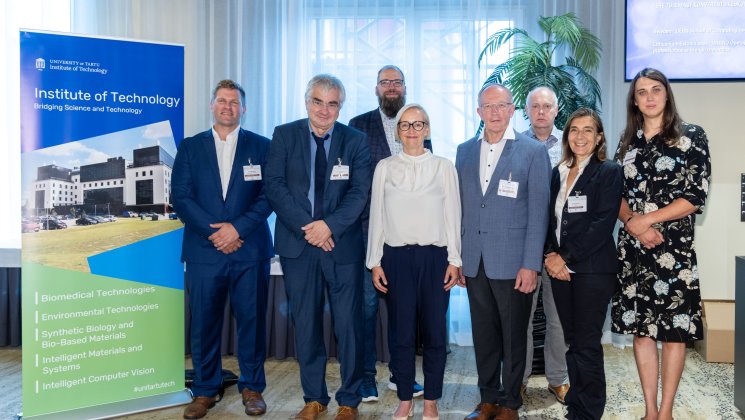
Closer cooperation between Estonia and CERN requires broad-based support for science education
Estonia's research and economy would have much to gain from closer cooperation with the European Organization for Nuclear Research (CERN). However, this requires more thoughtful funding in the field of science in Estonia, which would ensure both the stability of research and a steady supply line of young researchers.
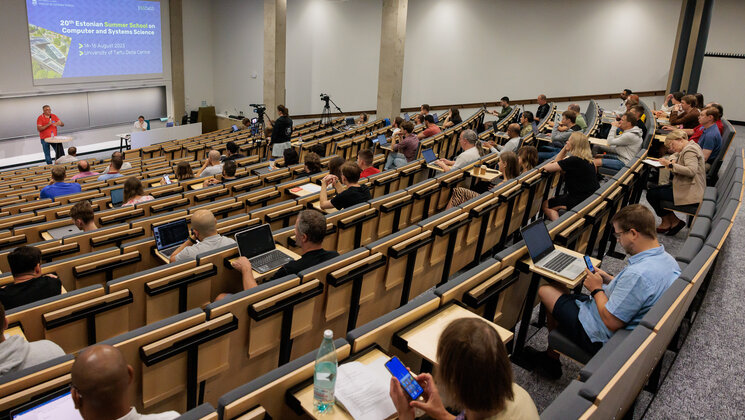
Estonian IT Summer School takes place for the 20th time
Today starts the three-day IT Summer School ESSCaSS (Estonian Summer School on Computer and Systems Science), which brings more than 120 researchers, doctoral students and students from Estonia and abroad to the Delta Centre.

What makes individuals fall through the safety nets during disasters?
At the initiative of Kati Orru, Associate Professor of Sociology of Sustainability at the University of Tartu, the International Journal of Disaster Risk Reduction, a flagship journal of crisis sociology, has published a special issue.

Sirli Rosendahl kaitseb doktoritööd „Fitness effects of chromosomal toxin-antitoxin systems in Pseudomonas putida“
22. augustil kell 10.15 kaitseb Sirli Rosendahl molekulaarbioloogia erialal doktoritööd „Fitness effects of chromosomal toxin-antitoxin systems in Pseudomonas putida“ („Kromosomaalsete toksiin-antitoksiin süsteemide mõju Pseudomonas putida kohasusele“).
31 July 2023
research

International symposium discusses the evolution of Earth and climate change
From 18 to 21 July, the 14th International Symposium on the Ordovician System will take place in Tallinn, focusing on the evolution of Earth and life several hundred million years ago and its impact on shaping the modern environment.

Health technologies need to overcome a number of barriers to thrive, study says
According to a study by the University of Tartu and Tallinn University of Technology, Estonia has good prospects for developing research-intensive entrepreneurship in healthcare.
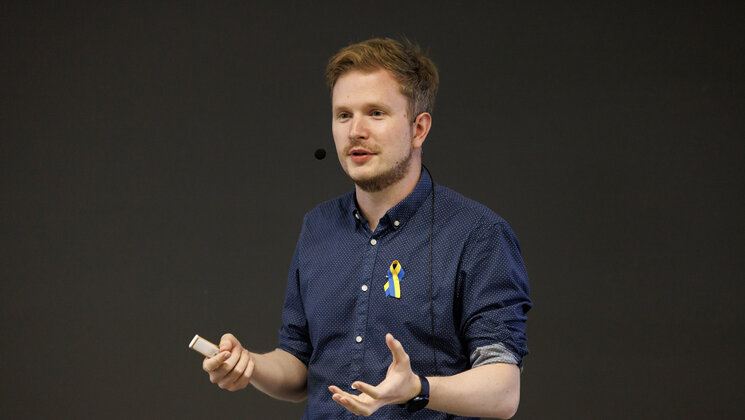
Lecturer at the Institute of Computer Science co-founded a company that received a large grant from the European Innovation Council
Thanks to cutting-edge research at the Institute of Computer Science, BetterMedicine, a company that automates the analysis of cancer CT scans, has received a boost. BetterMedicine was recently awarded a €2.5 million grant from the European Innovation Council's Accelerator.
University of Tartu helped to develop IT infrastructure for personalised medicine
UT has completed the IT infrastructure for personalised medicine, enabling Estonian doctors and nurses to use genetic data for disease prevention and finding the best treatment plan for each person.
